
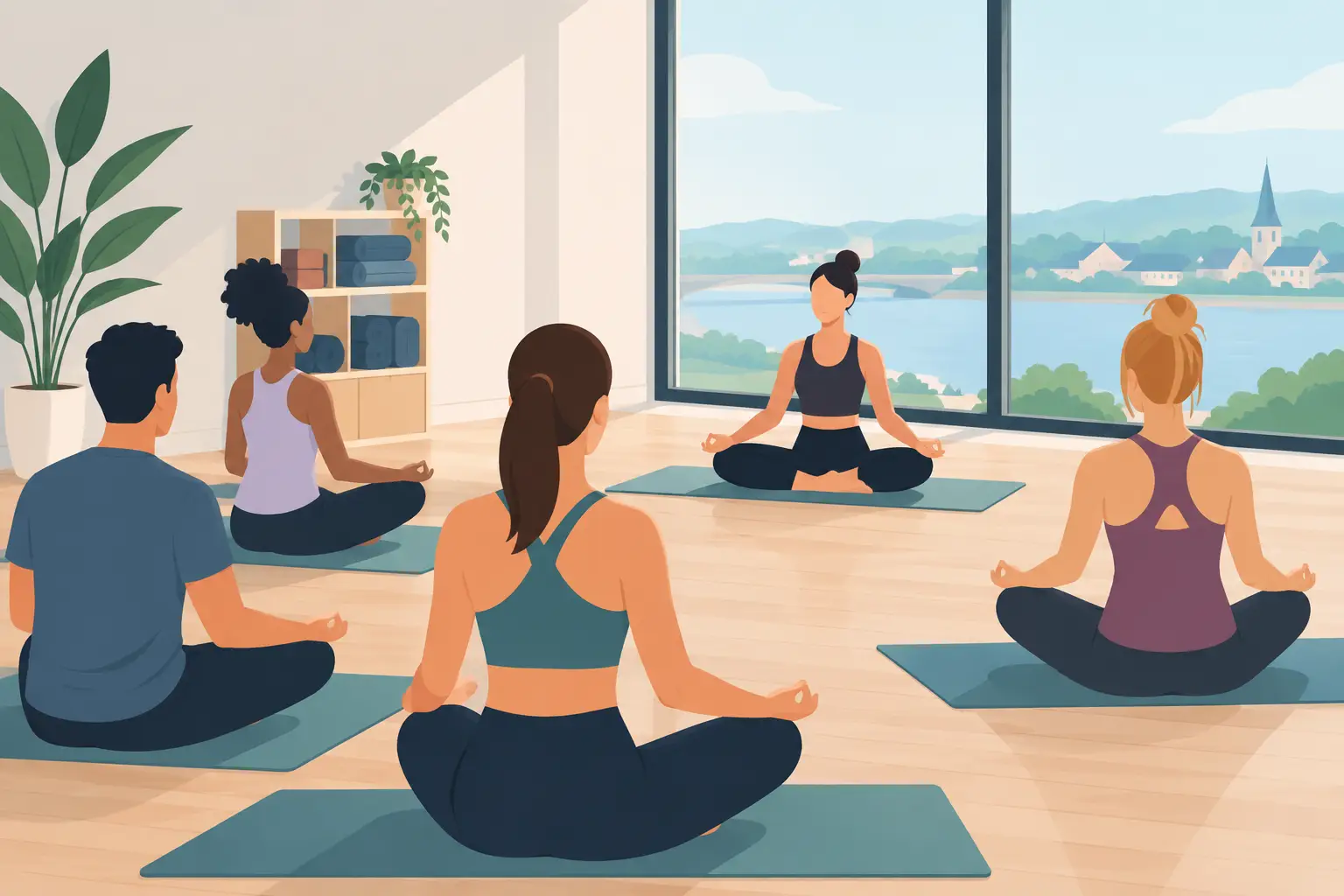
A yoga class should not feel like a room where you have to keep up. It can be a place to settle your breath, notice what your body needs, and move with steady support. That is the difference many people find in small group yoga classes Middletown residents can enjoy close to home: there is room to be seen, heard, and guided at your own pace.
For some people, that means beginning yoga for the first time without feeling on display. For others, it means returning to movement after an injury, a long break, or a season when stress has made self-care harder to reach. A smaller class does not ask you to perform. It offers a calmer setting in which to build confidence, strength, flexibility, and ease.
Why a Smaller Yoga Class Can Feel More Supportive
In a high-volume class, an instructor may be balancing the needs of many students at once. The energy can be lively and motivating, but it may not leave much space for individualized guidance. If you are unsure how a pose should feel, need a modification, or simply prefer a quieter experience, a crowded room can make yoga feel less accessible.
Small groups create a different rhythm. Your instructor has more opportunity to offer clear cues, suggest options, and help you find a version of a pose that works for your body that day. You may receive a reminder to soften your shoulders, use a block for support, or take a pause before moving on. These simple moments of attention can make practice feel safer and more nourishing.
Personal attention does not mean pressure. It means you have choices. Some days, your body may welcome a gentle stretch and slow breathing. Other days, you may feel ready to explore a little more balance, strength, or playfulness. A supportive class makes space for both.
Movement That Meets You Where You Are
Yoga is often pictured as deep backbends, long holds, and complicated poses. That picture can discourage people who live with stiffness, limited mobility, joint concerns, chronic stress, or simple uncertainty about where to begin. But yoga is not one shape, one pace, or one level of ability.
Accessible instruction centers the experience of the person practicing, not the appearance of the pose. A forward fold might happen with bent knees. Balance work might include a chair, wall, or steady hand nearby. Rest can be part of the practice rather than something to earn after pushing too hard.
This approach is especially valuable for beginners and older adults, as well as anyone rebuilding trust in their body. With thoughtful guidance, movement can become a source of stability instead of another demand on an already busy day.
At Cheemah on South Main, classes are designed with this kind of care in mind. The intention is not to make every student move in the same way. It is to offer options that help each person experience the benefits of yoga with greater comfort and confidence.
Sitting Yoga Offers Steady Support
Sitting Yoga can be a welcoming entry point for people who prefer more stability while they move. Using a chair can make it easier to explore mobility, gentle strengthening, posture, and breath awareness without worrying about getting down to or up from the floor.
Chair-supported practice is not a lesser version of yoga. It is a practical, meaningful format that can help participants feel present in their bodies. It may be a good fit if you are managing balance concerns, recovering from a health challenge, or looking for an approachable way to bring more movement into your week.
Gentle Yoga Creates Room to Exhale
Gentle Yoga offers a slower pace and an invitation to release unnecessary tension. Poses are generally approached with care, with time to settle into supported stretches and mindful transitions. For people carrying stress in their neck, shoulders, hips, or low back, a gentle practice can be a welcome pause.
The benefits are not always dramatic in a single class. Sometimes the change is subtle: you sleep a little more deeply, notice your breath sooner during a stressful moment, or move through your day with less tightness. Over time, these small shifts can support a stronger connection between physical renewal and emotional well-being.
Inclusive Vinyasa Builds Strength at Your Pace
Vinyasa yoga links breath and movement in a flowing practice. An inclusive approach keeps that flow adaptable. You might move through standing poses, gentle balance work, and strengthening sequences while receiving choices for intensity and support.
This can be a wonderful option for those who want more energy and movement without stepping into a performance-driven atmosphere. It is still okay to rest. It is still okay to take a variation. The purpose is not to match someone else’s pace. The purpose is to learn what a sustainable practice feels like in your own body.
Aerial Yoga Can Be Playful and Supported
Aerial Yoga often catches the eye because it uses silk hammocks suspended overhead. While it may look advanced from the outside, the hammock can offer valuable support. It can help participants explore stretches, supported inversions, balance, and strength in ways that may feel different from mat-based yoga.
For some, aerial practice brings a sense of lightness and curiosity back to movement. The fabric can support the hips in a restorative position or provide a secure place to explore a gentle inversion. For others, it is a chance to strengthen the upper body and core while trying something new.
Aerial Yoga is not automatically right for every person or every season of life. Health history, comfort with the equipment, and personal goals all matter. A thoughtful instructor can help you understand whether an aerial class is a fitting next step, and what modifications may help you feel secure.
Community Without Comparison
One of the quiet gifts of a small class is connection. You may begin to recognize familiar faces, share a smile before class, or feel encouraged by a room of people who are also making time for their well-being. That sense of community can make it easier to return, especially when life feels full.
At the same time, connection does not require anyone to share more than they wish to share. You can come for the movement, the stillness, the breath, or the simple comfort of practicing near others. A welcoming yoga community respects both conversation and quiet.
This is different from comparison. In a caring environment, another person’s flexibility or experience does not take away from your own practice. Everyone is working with a different body, a different history, and a different day.
How to Choose the Right Class for You
The best yoga class is not necessarily the most challenging one. It is the one you can enter with enough comfort to stay curious. If you are new to yoga or need additional stability, Sitting Yoga or Gentle Yoga may be a natural place to begin. If you enjoy a more active practice, Inclusive Vinyasa may offer the movement and breath connection you are looking for. If you are drawn to a fresh, supported challenge, Aerial Yoga may be worth exploring.
It also depends on what you need right now. A person who loves active flow may need restorative movement during a stressful week. Someone who starts with chair-supported practice may later feel ready to try a standing class. There is no fixed path and no need to rush it.
Private yoga sessions can also be helpful when you want focused attention around a specific goal, concern, or practice question. For those seeking a broader sense of restoration, services such as Reiki and Aromatherapy can complement movement with time set aside for quiet care and energetic balance.
Come As You Are
You do not need to be flexible before you begin yoga. You do not need special experience, a certain body type, or a perfect ability to focus. You only need a willingness to arrive as you are and give yourself a little room to breathe.
A small class can become a steady place in your week: a place to feel stronger without strain, calmer without withdrawing, and more at home in your body. Let your practice begin with the pace that feels kind, and allow it to grow from there.
Leave a Reply